• 5 Easy Ways to Improve Air Quality at Home

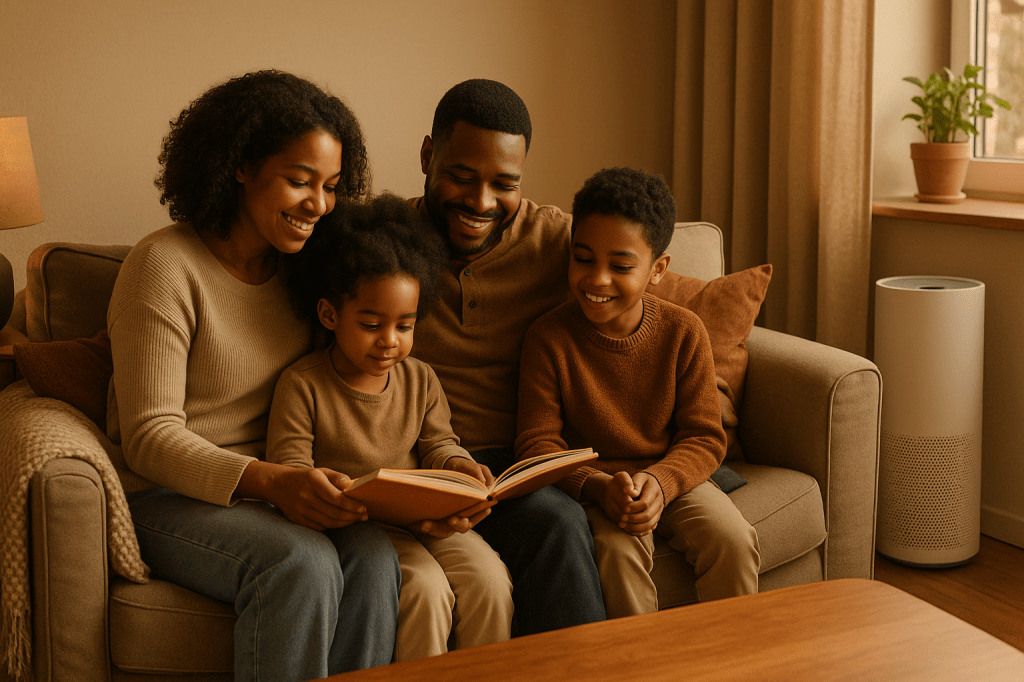
    Clean air is more than comfort. It impacts your sleep, focus, and long-term health. And honestly? I didn’t realize how much poor air quality was affecting my family until I started paying attention to it.

    My son’s constant eye rubbing, my perpetual stuffy nose, the way we all felt tired even after a full night’s sleep – turns out a lot of that was connected to the air we were breathing inside our own home. Once I started making some changes, the difference was noticeable enough that I’m not going back.

    Here are five simple, proven ways to improve indoor air quality and create a healthier home environment. I’m not perfect at all of these (still working on consistent vacuuming, if I’m being honest), but even the ones I do regularly have made a real difference.

    Before you invest in air quality products, download my free guide: 5 Air Purifier Buying Mistakes – A Florida Parent’s Guide to Actually Getting Allergy Relief. Learn what actually works and what’s just marketing hype so you don’t waste money like I did at first. [Get the Free Guide]

    Use an Air Purifier Consistently

    A HEPA air purifier removes up to 99.97% of dust, pollen, smoke, and pet dander, making the air cleaner to breathe. But here’s what I learned – you actually have to run it consistently for it to make a difference.

    I started with just one air purifier in our living room, and honestly? I didn’t notice much at first because I was only turning it on when I thought about it. Once I started running it 24/7, that’s when things changed.

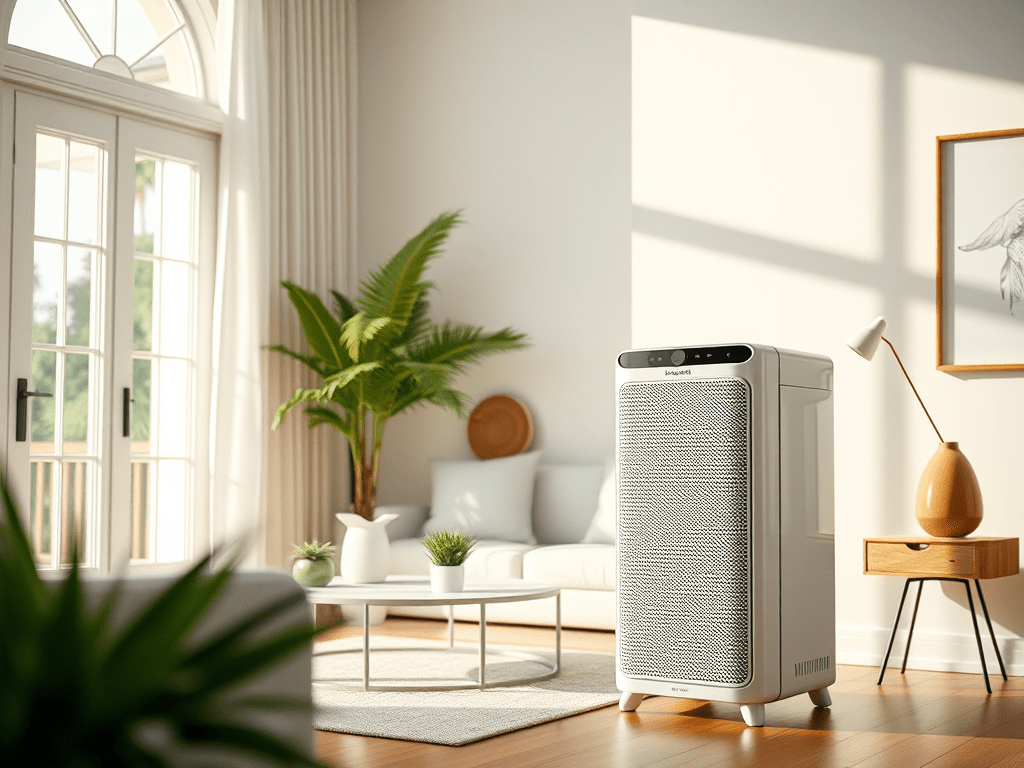
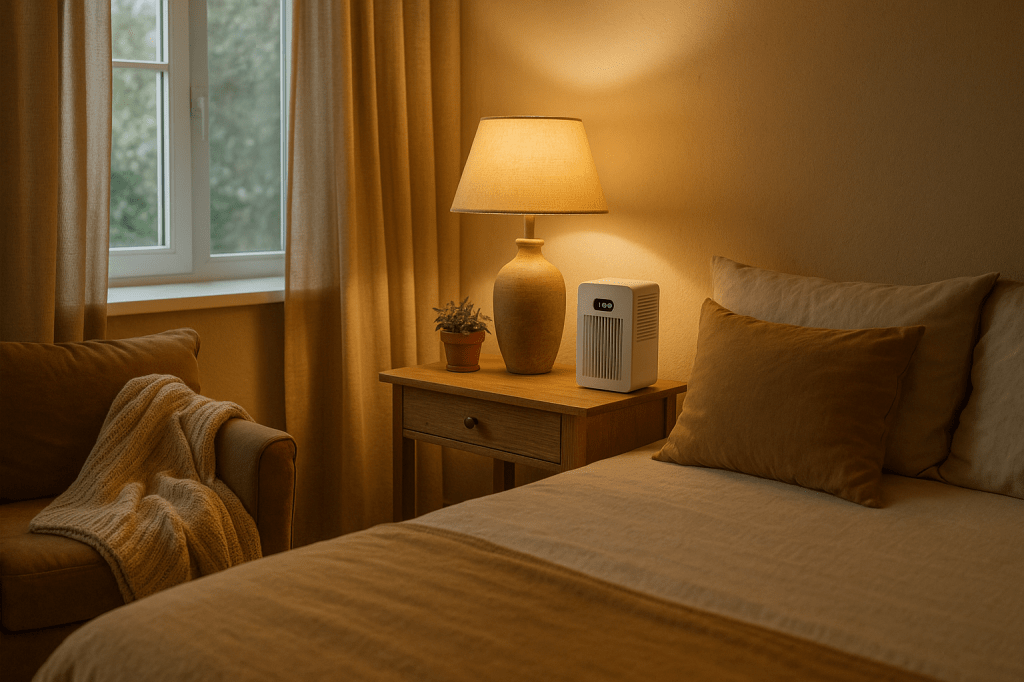
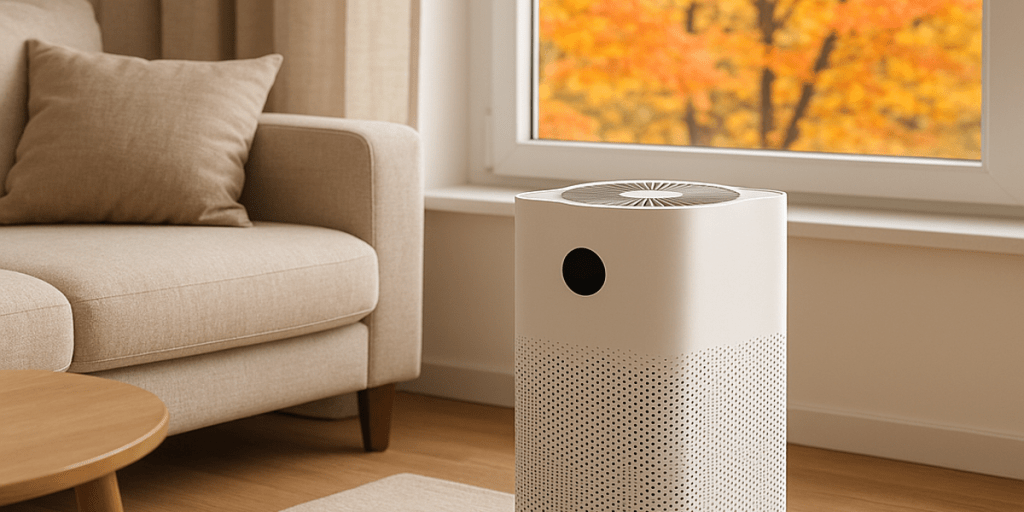
    The Levoit Vital 200S Air Purifier has become our main solution for keeping indoor air clean. I’ve got one in the main living area and another in my son’s bedroom. They run constantly during allergy season, and most of the time during other months too. The smart sensors adjust the fan speed based on current air quality, so I don’t have to think about it. [Check current price]

    What I’ve noticed since running them consistently:

    • Less visible dust on surfaces (I still have to dust, just not as often)
    • My son’s eyes aren’t as red and itchy in the mornings
    • The house just smells cleaner – not perfumed, just fresh
    • We’re all sleeping better, probably because our airways aren’t as irritated at night

    If you’re dealing with seasonal allergies like we are, check out my complete testing guide: Best Air Purifiers for Fall Allergies 2025 with real results from our family.

    Open Windows Daily (When You Can)

    Fresh air circulation clears out trapped pollutants and refreshes your space. This one should be easy and free, right?

    Well, here’s my reality: I try to open windows daily, but in my area, the outside air quality isn’t always great. Sometimes it just smells bad outside – between the humidity, nearby traffic, or whatever’s going on with the local environment. So I don’t leave windows open as long as I probably should.

    When I do open them, I aim for about 10-15 minutes, usually in the morning when the air feels freshest. Even that short burst of air exchange seems to help. It’s like the house takes a deep breath.

    On days when outdoor air quality is poor, I skip this step entirely and rely more on the air purifiers. It’s about being smart, not following rules blindly.

    Add Essential Oils Carefully

    Here’s where I need to be really honest, because I said in another post that essential oils made my son’s allergies worse – and that’s true. When I was diffusing lavender in the main living areas, his symptoms got noticeably worse.

    But I’ve learned that essential oils aren’t all bad – they’re just something you need to use carefully and strategically.

    I do use essential oils in my office for headaches and to keep my mood up during long work sessions. Peppermint for headaches, citrus oils when I need energy. It works for me in a separate space away from where my son spends most of his time.

    The key things I’ve learned about essential oils and air quality:

    • Don’t use them in shared spaces if anyone has respiratory sensitivities
    • Use them in well-ventilated areas only
    • Some oils (like eucalyptus and peppermint) can actually irritate airways
    • Quality matters – cheap synthetic oils can make air quality worse
    • A little goes a long way – over-diffusing creates its own air quality issues

    If you’re going to use essential oils, start small and pay attention to how everyone in your home responds. What works for one person might trigger symptoms in another.

    Vacuum and Dust Often

    Consistent cleaning reduces allergens and keeps airflow moving freely. This is the one I’m still working on, so no judgment here.

    I don’t vacuum as often as I should. I know I should be doing it twice a week, but realistically? I’m hitting once a week most of the time, sometimes stretching to 10 days if life gets busy.

    What I have learned from friends and family who are better at this than me: vacuuming really does make a difference, especially if you have carpet. Several people have told me they vacuum multiple times a week because of how dusty it gets on the carpet, and they’ve noticed fewer allergy symptoms when they stay consistent.

    Tips that have helped me be more consistent:

    • I keep the vacuum out and visible instead of in a closet (lower barrier to actually using it)
    • I focus on high-traffic areas rather than trying to do the whole house perfectly
    • I use a vacuum with a HEPA filter so I’m not just blowing dust back into the air
    • I do quick passes more often rather than deep cleaning less frequently

    Dusting with microfiber cloths instead of regular dusters helps too – microfiber actually traps dust instead of moving it around. I keep one in each room so I can do quick wipe-downs without hunting for supplies.

    For more practical tips on maintaining better air quality, read my guide: Creating a Healthy Home Environment with room-by-room strategies.

    Avoid Harsh Chemicals When Possible

    Swap harsh cleaning sprays for natural products to cut down on indoor pollutants. I’m not going to lie and say I’ve completely eliminated all harsh chemicals – I still use them when I’m cleaning the bathroom because sometimes you just need something that actually works.

    But I have made some swaps that seem to help with overall air quality:

    • Vinegar and water for windows and mirrors
    • Baking soda for scrubbing sinks
    • Microfiber cloths with just water for most surface cleaning
    • Unscented or naturally-scented laundry detergent

    The biggest thing I’ve noticed is reducing aerosol sprays. Those seemed to trigger symptoms more than anything else. Even “air fresheners” – they don’t actually freshen air, they just add more particles and chemicals to breathe.

    Maintaining healthy humidity also makes the air feel fresher. When humidity is in that sweet spot of 40-60%, the air just feels cleaner and more comfortable. Too dry and everything feels dusty and irritating; too humid and it feels heavy and stuffy.

    If humidity is an issue in your home, check out my post on Why Indoor Humidity Matters for Your Health – it’s made a bigger difference than I expected.

    What’s Actually Made the Biggest Difference

    If I’m ranking these five tips by impact for my family:

    1. Air purifiers running consistently – This has been the game-changer. The difference is noticeable within days.

    2. Being smarter about chemicals and fragrances – Cutting out unnecessary irritants helped more than I expected.

    3. Opening windows when possible – Even though I can’t do this as often as I’d like, it helps when I can.

    4. Vacuuming more regularly – I’m still working on this one, but when I stay consistent, I do notice a difference.

    5. Essential oils – These are helpful for me personally in limited ways, but not a main air quality solution.

    Your ranking might be totally different depending on your specific situation, what triggers affect your family, and what you’re actually able to do consistently.

    Start Small and Build

    Improving air quality doesn’t have to be complicated. Start with one small change today and your home will feel fresher and healthier.

    If you can only do one thing, I’d say get a good air purifier and run it consistently. That’s had the most immediate and noticeable impact for us.

    If you’re on a tight budget, focus on the free stuff first – opening windows when air quality is good outside, cleaning more consistently with what you already have, and cutting out unnecessary fragrances and chemicals.

    The goal isn’t perfection. It’s about making your home a place where you and your family can breathe easier and feel better. Every small improvement adds up.

    What air quality issues are you dealing with at home? What’s worked for you, or what are you still trying to figure out? I’m always learning from other families’ experiences.

    Related Posts:

    Some links in this post are affiliate links, meaning I earn a small commission if you make a purchase. I only recommend products I’m actually using or seriously considering for my own family’s air quality needs.
  • Do HEPA Air Purifiers Help with Viruses, Allergies, and Odors?

    Yes, HEPA air purifiers capture 99.97% of particles including dust, pollen, smoke, and even some airborne viruses. Families often ask about this during allergy season and flu spikes, so here’s what you need to know based on my experience dealing with allergies and air quality issues in my own home.

    I’ll be honest—when I first started looking into air purifiers, I was skeptical. Could a machine really make that much difference for my son’s allergies and our overall health? After months of running HEPA purifiers consistently, I can tell you the answer is yes, but not in the magical way some marketing makes it sound.

    Understanding What HEPA Really Means

    HEPA stands for High-Efficiency Particulate Air, but what does that actually mean for your family’s health?

    True HEPA filters must meet specific standards set by the Department of Energy. They’re tested to capture 99.97% of particles that are 0.3 microns in size. For context, that’s incredibly small—about 300 times smaller than the width of a human hair.

    Here’s what that size catches:

    • Pollen particles (typically 10-100 microns)
    • Dust mite debris (5-20 microns)
    • Pet dander (2-10 microns)
    • Mold spores (3-40 microns)
    • Some bacteria (0.3-10 microns)
    • Smoke particles (0.1-1 micron)

    The reason 0.3 microns is the testing standard is because particles that size are actually the hardest to capture. Larger particles get trapped easily, and smaller particles move erratically and stick to fibers. That middle size is the sweet spot where particles are small enough to potentially slip through but large enough to have momentum.

    Before you invest in any air purifier, download my free guide: 5 Air Purifier Buying Mistakes – A Florida Parent’s Guide to Actually Getting Allergy Relief. Learn which features actually matter and which ones are just marketing hype so you choose the right purifier the first time. [Get the Free Guide]

    How HEPA Air Purifiers Work Against Viruses

    HEPA (High-Efficiency Particulate Air) filters are designed to trap tiny particles as small as 0.3 microns. This includes airborne droplets that may carry bacteria or viruses.

    Here’s what actually happens: When someone coughs or sneezes, they release respiratory droplets of various sizes. Larger droplets fall quickly to surfaces, but smaller aerosol particles can remain suspended in the air for hours. HEPA filters can capture many of these particles as air circulates through the purifier.

    When paired with activated carbon or UV-C technology, purifiers can also reduce odors and neutralize certain pathogens. The activated carbon layer absorbs gases and odors that HEPA filters can’t capture, like cooking smells or volatile organic compounds (VOCs). Some models include UV-C lights that may help inactivate certain microorganisms, though the effectiveness depends on exposure time.

    Important reality check: Air purifiers don’t guarantee you won’t get sick. They reduce airborne particles, but viruses also spread through surface contact and close personal contact. Think of purifiers as one tool in your overall health strategy, not a force field against illness.

    That said, since running air purifiers consistently in our home, we have noticed we get sick less often and recover faster when we do catch something. I can’t prove causation, but the correlation is noticeable enough that I’m not stopping.

    Best for Allergies, Pets, and Everyday Dust

    Air purifiers are especially helpful for:

    Families with children or elderly members who may be more vulnerable to poor air quality and respiratory irritants. Kids are still developing their respiratory systems, and older adults often have compromised immune function.

    Homes with pets or high foot traffic where dander, fur, and outdoor pollutants get tracked inside constantly. We have a dog, and the difference in visible dust and floating hair since adding purifiers has been significant.

    People with asthma, allergies, or respiratory sensitivities who react to airborne triggers. My son doesn’t have diagnosed asthma, but he uses a nebulizer when his breathing gets tight during bad allergy days. Since we started running purifiers consistently, those episodes have decreased noticeably.

    If you want relief from pollen, dander, and smoke, a HEPA purifier offers noticeable improvement in air quality. The key word here is “noticeable”—you won’t feel like you’re breathing mountain air in your living room, but you’ll probably notice fewer allergy symptoms, less dust on surfaces, and just generally cleaner-feeling air.

    For more ways to improve your indoor environment, check out my guide: Creating a Healthy Home Environment with practical room-by-room strategies.

    What I’ve Noticed Since Using HEPA Purifiers

    These are the real, practical changes we’ve experienced:

    Less visible dust: Surfaces don’t get as dusty as quickly. I still have to dust, but not nearly as often, and when I do, there’s noticeably less accumulation.

    Reduced allergy symptoms: My son’s eyes aren’t as red and itchy, especially in the mornings. My own perpetual nasal drainage has improved significantly. We’re not symptom-free, but the baseline is so much better.

    Better sleep quality: We’re all sleeping more soundly. I think this is partly because our airways aren’t as irritated at night, and partly because the white noise from the purifiers blocks out small sounds that used to wake us.

    Cleaner-smelling air: This sounds vague, but the house just smells fresher. Not perfumed, just… clean. Like when you first walk outside after being in a stuffy building.

    Fewer sick days: This past fall and winter, we all got sick less frequently than previous years. When we did catch colds, they seemed shorter and milder.

    If you’re dealing with seasonal allergies like we were, read my testing results: Best Air Purifiers for Fall Allergies 2025 with real family experience.

    What Air Purifiers Can’t Do

    Air purifiers are a wellness tool, not a cure-all. They don’t replace good ventilation, cleaning, or medical care. Think of them as a way to make your home more comfortable, not a substitute for hygiene or treatment.

    Air purifiers won’t:

    Eliminate the need for cleaning: You still need to vacuum, dust, and wash bedding regularly. Purifiers capture airborne particles, but they don’t remove what’s already settled on surfaces or embedded in carpets.

    Cure allergies or asthma: They reduce triggers, but they don’t address the underlying immune response. You may still need medication, especially during peak allergy seasons.

    Remove all odors: HEPA filters don’t capture gases or odors—that’s what activated carbon filters do. And even carbon filters have limits with strong or persistent smells.

    Work instantly: It takes time for purifiers to cycle through all the air in a room multiple times. You won’t walk into a dusty room, turn on a purifier, and have clean air in five minutes.

    Replace ventilation: Opening windows (when outdoor air quality is good) brings in fresh air and removes carbon dioxide buildup. Purifiers clean the air that’s already there, but they don’t add oxygen or remove CO2.

    I mention these limitations because I made some of these assumptions myself at first. Understanding what purifiers can and can’t do helps set realistic expectations so you’re not disappointed with your purchase.

    Why We Recommend Levoit Purifiers

    I focus on products that combine reliability with real benefits for your home. The Levoit Vital 200S Air Purifier has been our primary solution—quiet enough for bedrooms, powerful enough for living spaces, and smart features let me monitor air quality in real-time without obsessing over it.

    What makes the Levoit Vital 200S work for us:

    • True HEPA filtration (not “HEPA-type” or other marketing terms)
    • Covers up to 380 sq ft effectively
    • Sleep mode that’s genuinely quiet (under 26 decibels)
    • Smart sensors that adjust fan speed based on current air quality
    • Affordable replacement filters that are easy to find
    • App control so I can check and adjust from anywhere

    I have one in our main living area and another in my son’s bedroom. They run 24/7 during allergy season and most of the time during other months. The consistency is what makes the difference.

    [Check current price]

    When paired with proper humidity control or small comfort items like good ventilation and clean bedding, you get a balanced environment that feels healthier and more restful.

    Getting the Most from Your HEPA Air Purifier

    Run it consistently: Don’t just turn it on when you think about it. Set it to auto mode or just leave it running. Air purifiers work best when they’re constantly cycling air through the filter.

    Size it correctly: A purifier rated for 200 sq ft won’t effectively clean a 500 sq ft room. Check the square footage rating and match it to your actual space, or go slightly larger.

    Replace filters on schedule: Old filters can’t capture particles effectively, and a completely clogged filter can actually reduce airflow so much that the purifier barely does anything. Set phone reminders for filter changes.

    Position it properly: Keep purifiers a few feet away from walls and furniture so air can circulate freely. Don’t hide them in corners or behind couches.

    Close doors when running: Air purifiers are most effective in enclosed spaces. If you’re running one in your bedroom, close the door for maximum effect.

    Combine with other healthy habits: Use purifiers alongside regular cleaning, humidity control, and occasional ventilation for best results.

    Do You Really Need an Air Purifier?

    Honestly? If you or your family members have allergies, asthma, or respiratory sensitivities, yes. The improvement in quality of life is worth the investment.

    If you live with pets, in a high-traffic area, or in a place with poor outdoor air quality, also yes.

    If you’re just looking for marginally cleaner air and nobody in your home has particular sensitivities, maybe not. You might get the same benefit from opening windows regularly and cleaning more consistently.

    For us, with allergies affecting both my son and me, air purifiers have been one of the best investments we’ve made for our home health. They’re not magic, but they’re effective, and the difference is noticeable enough that I won’t go back to living without them.

    Final Thoughts

    Do air purifiers really work? Yes—especially when you choose the right technology and use it consistently.

    HEPA filtration is proven science, not wellness marketing. When used properly in appropriately-sized spaces, HEPA air purifiers make a measurable difference in indoor air quality.

    The key is having realistic expectations, choosing quality equipment, and using it as part of an overall approach to indoor health that includes ventilation, cleaning, and humidity control.

    What’s your biggest concern about indoor air quality? Are you dealing with allergies, pet dander, or just general dust and stuffiness? I’d love to hear what’s driving your interest in air purifiers.

    Related Posts:

    Some links in this post are affiliate links, meaning I earn a small commission if you make a purchase. I only recommend products I’m actually using or seriously considering for my own family’s indoor air quality needs.


  • Best Fall and Winter Tips for Cleaner Indoor Air Quality in 2025

    When colder months arrive, most homes seal up tight. This keeps heat in, but it also traps dust, allergens, and dry air inside with us. Poor indoor air quality during fall and winter months can lead to coughing, sneezing, and restless sleep—issues that get worse as we spend more time indoors.

    I learned this the hard way last winter when my son and I both struggled with constant congestion and dry throats. It wasn’t until I started paying attention to our indoor air that I realized how much the sealed-up house was affecting our health during the colder seasons.

    Less Air Exchange: We stop opening windows, which means the same air circulates over and over with no fresh exchange. Carbon dioxide builds up, and so do indoor pollutants from cooking, cleaning, and just living.

    Heating Systems Stir Up Dust: Even in Florida, when we turn on heat for those chilly mornings, our HVAC systems blow accumulated dust throughout the house. Plus, running the system constantly circulates particles that settled during warmer months.

    Humidity Plummets: Heat dries out the air fast. Low humidity dries out your nasal passages, making you more susceptible to irritants and allergens. It also causes static electricity that actually attracts dust to surfaces and to you.

    More Time Indoors: We’re spending even more time inside during fall and winter—up to 95% of our day. That means more exposure to whatever’s floating around in our indoor air.

    Before you invest in air purifiers or humidifiers this season, download my free guide: 5 Air Purifier Buying Mistakes – A Florida Parent’s Guide to Actually Getting Allergy Relief. Don’t waste money on the wrong equipment—get the insider tips that helped my family breathe easier. [Get the Free Guide]

    1. Use a HEPA Air Purifier Daily

    HEPA filters capture dust, pollen, pet dander, and smoke particles that build up faster in closed spaces. The Levoit Vital 200S Air Purifier has been our solution for fall and winter months – it handles our main living areas with true HEPA filtration and runs quietly even on higher settings when we need extra cleaning power. [Check current price]

    Run your purifier in the living room and bedroom for the best results. I keep ours running 24/7 during the colder months because consistency is key. The difference in how the air feels—and how we feel—is noticeable within just a few days.

    2. Balance Humidity Levels

    Dry air is a common problem once heaters start running. A humidifier for dry winter air adds moisture that reduces irritation in your nose and throat and helps protect wooden furniture from cracking.

    I aim for 40-50% humidity during winter months. Any lower and we all wake up with scratchy throats. Any higher and you risk condensation on windows and potential mold issues.

    Get a basic hygrometer to monitor your humidity levels—they’re around $10-15 and take the guesswork out of managing indoor moisture. I check ours weekly during heating season to make sure we’re in the sweet spot.

    3. Vacuum and Dust More Often

    Fall and winter mean more indoor activity, which stirs up dust and pet hair. We’re cooking more, spending more time on the couch, and tracking in mud and leaves from outside.

    Vacuum carpets and upholstery at least twice a week with a vacuum that has a HEPA filter. Regular vacuums can actually blow fine particles back into the air, making your air quality worse instead of better.

    Wipe surfaces with a microfiber cloth rather than a regular duster. Microfiber actually traps dust instead of just moving it around. I keep one in each room so I can do quick wipe-downs without having to hunt for supplies.

    4. Keep Windows Ventilated Briefly

    Even in cooler months, open windows for 10 minutes a day. This simple habit lowers carbon dioxide levels and refreshes the air without losing too much heat.

    I do this mid-morning when the sun has warmed things up a bit. Open windows on opposite sides of the house if possible to create cross-ventilation that moves stale air out and fresh air in quickly.

    Yes, you’ll lose a little heat, but the air quality improvement is worth the minor energy cost. Your heating system will recover that temperature in just a few minutes.

    5. Replace HVAC Filters on Time

    HVAC filters and air purifier filters collect debris quickly during peak heating and cooling months. Replace them according to the manufacturer’s instructions to maintain efficiency.

    I set phone reminders for filter changes because it’s too easy to forget. A clogged filter makes your systems work harder, costs more to run, and doesn’t clean the air effectively. Mark your calendar right now for your next filter change—don’t wait until you remember.

    Check your HVAC filter monthly during heavy use. If it looks dark and clogged, change it even if it hasn’t been the recommended time yet. In Florida’s dusty, humid climate, filters can get dirty faster than the standard replacement schedule.

    Additional Winter Air Quality Tips That Made a Difference

    Control Cooking Pollutants

    Use your range hood every time you cook. Cooking releases moisture, grease particles, and combustion byproducts (especially if you have a gas stove) that all affect indoor air quality.

    I run ours for at least 10 minutes after I finish cooking to clear out lingering particles and odors. This one change reduced that stuffy feeling we used to get after making dinner.

    Manage Holiday Air Quality Issues

    Candles and holiday decorations can all impact indoor air quality during winter months. Real Christmas trees can harbor mold spores, and dusty decorations from storage can trigger allergies.

    If you use candles, stick with soy or beeswax versions with cotton wicks. Avoid cheap synthetic candles that release more particles into the air.

    Don’t Forget About Laundry

    We’re doing more laundry in winter—heavier clothes, extra blankets, winter coats. Wash bedding weekly in hot water to kill dust mites and remove allergens. Use hypoallergenic detergents without heavy fragrances that can irritate sensitive airways.

    I also started using wool dryer balls instead of dryer sheets. Dryer sheets add synthetic fragrances and coating chemicals that end up in your indoor air.

    Monitor Indoor Air Quality

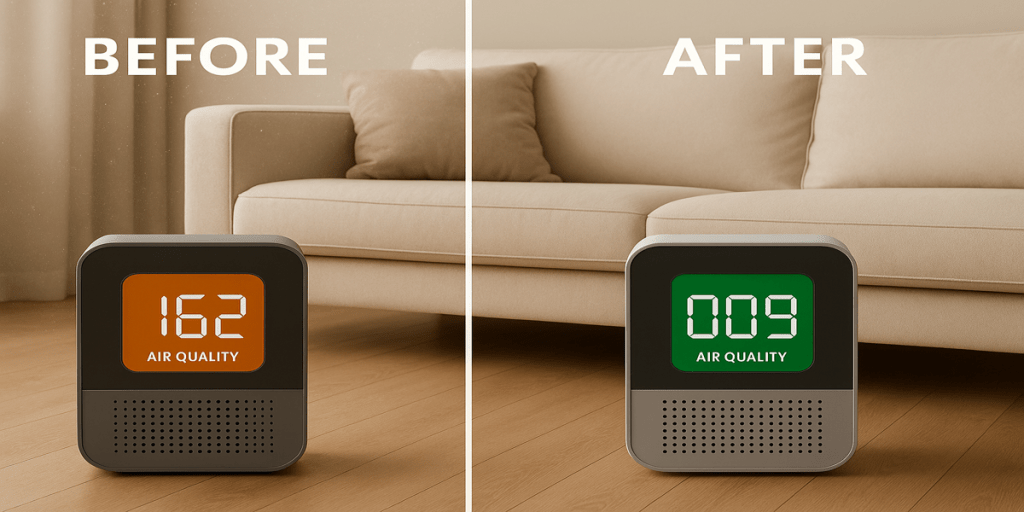
    Winter is when we’re running HVAC systems more frequently and spending more time with windows closed. Consider getting an indoor air quality monitor to track pollutant levels in real-time.

    These aren’t essential, but they can help you understand patterns—like when cooking or cleaning causes spikes in particulate matter, or when humidity drops too low during heating cycles.

    What This Means for Your Family’s Health

    Cleaner indoor air is possible even in the colder months. A mix of good habits, HEPA purifiers, and humidifiers can make your home healthier for the whole family.

    Since implementing these changes last winter, we’ve noticed:

    • Fewer sick days and shorter colds when we do get them
    • Better sleep quality without waking up stuffy
    • Less need for my son’s nebulizer treatments
    • More energy during those dark winter months
    • Overall better mood (probably because we’re sleeping better and feeling healthier)

    Cleaner indoor air is possible even in the colder months. A mix of good habits, HEPA purifiers, and humidifiers can make your home healthier for the whole family. For more simple ideas, check out my complete guide: Creating a Healthy Home Environment with room-by-room tips that work.

    You can also review the EPA indoor air quality guide for additional seasonal recommendations.

    If you’re struggling with fall allergies specifically, read my testing guide: Best Air Purifiers for Fall Allergies 2025 with real results from our family.

    Bottom Line: Winter Air Quality Doesn’t Have to Be Miserable

    You don’t need expensive equipment or a complete home renovation to breathe better this winter. Start with one or two changes—maybe add an air purifier to your bedroom or start opening windows for a few minutes daily—and build from there.

    The key is consistency. Run your air purifiers regularly, maintain your humidity levels, and keep up with cleaning even when you’d rather hibernate under a blanket.

    What are your biggest indoor air quality challenges during winter? Have you found solutions that work for your family? I’m always learning new approaches that make the colder months more comfortable.

    Related Posts:

    Some links in this post are affiliate links, meaning I earn a small commission if you make a purchase. I only recommend products I’m actually using or seriously considering for my own family’s indoor air quality needs.

  • Best Air Purifiers for Fall Allergies

    Real Results from a Parent’s Experience

    Hey there! So, fall just hit and my nose is already doing that thing where it just… drains. All. Day. Long. If you’re reading this, you probably know exactly what I’m talking about. Maybe you’re dealing with it too, or maybe it’s your kids who are suddenly sneezing every five minutes and rubbing their eyes like crazy.

    I’ll be honest with you – I’m no expert when it comes to all this air purifier stuff. I’m just a parent trying to figure out how to help my family breathe better. My son has been struggling with allergies that sometimes get so bad he needs his nebulizer (even though he doesn’t technically have asthma), and I just found out I have allergies too. Go figure, right?

    Why Fall Allergies Are Worse in 2025: Understanding Seasonal Triggers

    So here’s what I’ve learned from talking to other parents and doing way too much late-night googling: fall allergies aren’t just about the pretty changing leaves. Ragweed pollen peaks in September and October, affecting over 23 million Americans according to recent studies. Plus, all that wind is stirring up dust, and when we start closing windows and turning on the heat, we’re basically trapping allergens inside with us.

    Humidity also plays a big role in allergy symptoms. If you’ve ever wondered why dry air makes things worse, check out my post on Why Indoor Humidity Matters.

    And don’t even get me started on mold spores from all those wet leaves piling up outside. It’s like nature decided to throw an allergy party and forgot to invite our immune systems.

    How to Choose the Best Air Purifier for Allergies: What Actually Works

    When my son started having more frequent allergy flare-ups, I knew I had to find the best air purifier for allergies. I started looking into air purifiers, and honestly? It was overwhelming. There’s so much information out there, and half of it contradicts the other half.

    But here’s what I figured out works for families dealing with fall allergies:

    Before you buy any air purifier, grab my free guide: 5 Air Purifier Buying Mistakes – A Florida Parent’s Guide to Actually Getting Allergy Relief. Learn what features actually matter and which ones are just marketing hype. [Get the Free Guide]

    True HEPA Filters: The Gold Standard for Allergy Relief

    True HEPA filters are non-negotiable for allergy relief. I learned this one the expensive way after buying a cheaper purifier first. True HEPA filters catch 99.97% of particles that are 0.3 microns or larger. That includes pollen, dust mites, pet dander, and ragweed – basically all the stuff that makes us miserable during allergy season.

    Room Size and CADR Ratings Matter

    Room size matters for effective air purification. You need to match the air purifier’s clean air delivery rate (CADR) to your room size. I made the mistake of getting a small one for our living room, and it was like using a band-aid on a broken leg.

    Noise Levels for Better Sleep

    Noise levels matter for bedroom air purifiers. Especially if you’re putting one in a bedroom for better sleep. Trust me, a loud air purifier that keeps everyone awake isn’t helping anybody’s allergy symptoms.

    Sleep quality isn’t just about your bed—it’s about the air you breathe. I shared practical Air Quality Tips for Better Sleep that work alongside air purifiers.

    Best Air Purifiers for Fall Allergies 2025: What’s Working for My Family

    After testing multiple options for our fall allergy relief, the Levoit Vital 200S Air Purifier has become our go-to solution. I’ve got it running in our main living room and my son’s bedroom, and the difference has been noticeable enough that I’m planning to add one to our master bedroom too.

    Why the Levoit Vital 200S works for us:

    • True HEPA filtration catches 99.97% of allergens including ragweed pollen
    • Covers up to 380 sq ft (perfect for our living spaces)
    • Sleep mode is genuinely quiet for bedrooms
    • Smart features let me monitor air quality in real-time
    • Affordable replacement filters

    My son’s not rubbing his eyes as much, and my constant nose drainage has actually gotten better since we started running these consistently. [Check current price]

    Air Purifier Features That Actually Matter for Fall Allergy Relief

    Skip the fancy ionizers and ozone generators. I almost bought one until I read that ozone can actually irritate your lungs. Not exactly what we’re going for with allergy relief.

    Essential Features for Allergy Relief:

    • True HEPA filtration (not “HEPA-type”)
    • Covers your room size (check square footage ratings)
    • Reasonable noise levels (under 50 decibels for bedrooms)
    • Easy filter replacement (you’ll be doing this every 6-12 months)
    • Activated carbon filter for odors and chemical pollutants

    WebMD also offers a helpful overview of air purifiers for allergy relief.

    My Current Air Purifier Setup for Fall Allergies

    Right now I’ve got air purifiers running in our main living room and my son’s bedroom. The difference has been noticeable enough that I’m planning to add one to our master bedroom too.

    I’m still learning about all this stuff, but I can tell you what I see: fewer tissues being used, less of that constant sniffling, and my son hasn’t needed his nebulizer as often since we started running these consistently.

    Air purifiers were a game changer for us, and that pushed me to try more changes at home. Here are some Healthy Home Environment ideas you might find useful.

    The key thing I’ve learned is consistency with air purification. These aren’t magic – you need to run them regularly and actually change the filters when they tell you to.

    Best Practices for Using Air Purifiers During Allergy Season

    • Run them consistently: Don’t just turn them on when you remember. Make it part of your daily routine.
    • Change filters on schedule: Mark your calendar. Old filters can’t do their job properly.
    • Position them correctly: Keep them away from walls and furniture so air can circulate properly.
    • Keep doors closed: When running an air purifier, keep the room closed for maximum effectiveness.

    Frequently Asked Questions About Air Purifiers for Allergies

    Do air purifiers really help with fall allergies?

    Yes, air purifiers with true HEPA filters can significantly reduce indoor allergens like pollen, dust, and mold spores that trigger fall allergy symptoms.

    What size air purifier do I need for allergies?

    Choose an air purifier with a CADR rating appropriate for your room size. For a 200 sq ft room, look for a CADR of at least 130.

    How often should I run my air purifier during allergy season?

    For best allergy relief, run your air purifier continuously during peak allergy season, especially in bedrooms and main living areas.

    Can air purifiers help with ragweed allergies?

    Absolutely. True HEPA filters effectively capture ragweed pollen particles, which are typically 17-20 microns in size.

    Bottom Line: Air Purifiers and Fall Allergy Relief

    Look, I’m not going to pretend that air purifiers are going to cure all your allergy problems. But as someone who’s been dealing with this drainage situation for longer than I care to admit, I can say they’re making a real difference in our house for fall allergy management.

    Fall allergies are rough enough without having to deal with them inside your own home too. If you’re on the fence about trying an air purifier for allergies, honestly? It’s worth it. Even if it just helps a little, that’s still better than suffering through another season of constant congestion.

    What’s your experience been with fall allergies? Have you tried air purifiers, or are you still trying to figure out what might help? I’d love to hear what’s working (or not working) for other families dealing with seasonal allergies.

    Related Posts:


    Some links in this post are affiliate links, meaning I earn a small commission if you make a purchase. I only recommend air purifiers and products I’m actually using or seriously considering for my own family’s allergy relief.

  • Creating a Healthy Home Environment in 2025: Practical Tips That Actually Work

    Listen, I used to think a “healthy home environment” meant buying all organic everything and having some pristine, magazine-perfect space where nobody ever gets sick. Turns out, that’s not realistic for most of us – especially those of us dealing with real allergies and real budgets.

    After dealing with my son’s allergy issues and discovering my own, I’ve been on this journey to figure out what actually makes a difference in creating a healthier indoor environment for my family. And I’m talking about practical stuff here, not Pinterest-perfect solutions that cost a fortune.

    The Indoor Air Quality Wake-Up Call: Why Your Home Air Matters

    You know what really opened my eyes to creating a healthy home environment? Realizing that we spend about 90% of our time indoors, but indoor air can actually be 2-5 times more polluted than outdoor air. That blew my mind.

    Think about it – we seal up our houses to save energy, which is great for our bills but not so great for air circulation. Then we add in cooking fumes, cleaning products, dust, pet dander, and whatever we’re tracking in from outside. Plus, if you’re like me and have been learning about humidity levels, you realize how many things can go wrong with indoor air quality.

    I didn’t realize how much dry air was making our allergies worse until I dug into the research. Here’s why Indoor Humidity Matters for Your Health

    My son’s constant eye rubbing and my perpetually stuffy nose started making a lot more sense once I understood indoor air pollution.

    Start With What You Can Control: Simple Healthy Home Tips

    Here’s the thing about creating a healthy home environment – you don’t have to overhaul your entire house overnight. I learned this the hard way after trying to do everything at once and burning myself out.

    Natural Air Circulation for Better Indoor Air Quality

    Fresh air circulation is huge for a healthy home. This one’s free. I started opening windows for at least 10-15 minutes a day, even when it’s chilly. Fresh air exchange makes a massive difference in how the house feels and smells, and it’s one of the simplest healthy home practices.

    Control What You Bring Into Your Healthy Home

    Watch what you’re bringing into your indoor environment. I’m not talking about becoming obsessive, but I started paying attention to things like:

    • Taking shoes off at the door (or at least having a good doormat)
    • Not using aerosol air fresheners (they just add more particles to breathe)
    • Being more careful about which cleaning products I use for healthier indoor air

    Natural Air Purification with Houseplants

    Plants can actually help create a healthier home environment. I was skeptical about this one, but some plants really do clean the air naturally. Snake plants, pothos, spider plants – they’re hard to kill and they actually remove some indoor pollutants. Plus, they help with humidity naturally.

    The Air Quality Game-Changers for Healthy Homes

    After months of dealing with allergy issues, I’ve figured out what actually moves the needle for creating a healthier home environment:

    Before you invest in air quality products for your home, download my free guide: 5 Air Purifier Buying Mistakes – A Florida Parent’s Guide to Actually Getting Allergy Relief. I’ll show you exactly what to look for and what to avoid so you create a healthier home faster. [Get the Free Guide]

    Consistent Air Purification Systems

    Consistent air purification is essential for healthy indoor air. Not just running an air purifier sometimes, but making it part of the daily routine for maintaining a healthy home environment.

    These have become as automatic as turning on lights. They’re running in the main areas where we spend time, and the difference is real for our indoor air quality.

    If fall allergies hit your family like they do mine, check out my complete testing guide: Best Air Purifiers for Fall Allergies with real results and recommendations.

    Proper Humidity Control for Health

    Proper humidity control is crucial for a healthy home environment. Maintaining 40-60% humidity has been huge for our comfort and health in creating better indoor air quality.

    These are working overtime now that heating season is starting and we’re focused on maintaining healthy indoor air.

    Smarter Cleaning for Healthier Indoor Air

    Regular cleaning, but smarter cleaning for better indoor air quality. I switched to microfiber cloths because they actually trap dust instead of just moving it around. And I vacuum more often but with a vacuum that has a HEPA filter so I’m not just blowing allergens back into the air.

    Healthy Home Surprises: What I Didn’t Expect

    Essential Oils and Indoor Air Quality

    Essential oils aren’t always helpful for healthy homes. I thought diffusing oils would be a natural way to improve air quality. Turns out, they can actually irritate sensitive airways. My son’s allergies got worse when I was diffusing lavender regularly.

    Candles and Indoor Air Pollution

    Candles can be problematic for healthy indoor air. Especially cheap ones with synthetic fragrances. They release particles that can trigger allergies. I switched to soy or beeswax candles, or just stopped using them as much for better indoor air quality.

    Temperature Control and Healthy Home Environment

    Temperature control helps maintain a healthy home environment. Keeping the house at a consistent, moderate temperature (around 68-70°F) seems to help with overall comfort and reduces some allergy triggers in our indoor environment.

    Room-by-Room Guide to Creating a Healthy Home Environment

    Bedrooms: Healthy Sleep Environment

    Bedrooms are where we spend 8+ hours breathing the same air. Air purifiers here have been worth every penny for creating a healthier sleep environment. I also wash bedding in hot water weekly and use hypoallergenic pillow covers.

    Getting good rest isn’t just about having the right mattress or pillow. The air you breathe at night matters too, and I’ve shared some simple Air Quality Tips for Better Sleep
     you can check out.

    Living Areas: Main Indoor Air Quality Focus

    Living areas get the most traffic, so they need the most attention for healthy indoor air. Regular vacuuming, air purifiers, and keeping humidity balanced are essential for these spaces.

    Kitchen: Controlling Cooking Pollutants

    Proper ventilation when cooking is huge for healthy indoor air. That range hood isn’t just for smoke – it’s removing particles and moisture that can affect air quality throughout the house.

    Bathrooms: Moisture Control for Health

    Exhaust fans are your friend for a healthy home environment. Moisture buildup leads to mold, which leads to more allergy problems and poor indoor air quality.

    Healthy Home Environment: What I’m Still Learning

    I’ll be honest – I haven’t figured it all out yet when it comes to creating the perfect healthy home environment. I’m still learning about things like:

    • Which houseplants actually make the biggest difference for indoor air quality
    • How often I really need to change HVAC filters for optimal healthy indoor air
    • Whether those UV lights for HVAC systems are worth it for a healthier home
    • How to balance energy efficiency with good air circulation

    But here’s what I know works for creating a healthier home environment: the basics. Clean air, proper humidity, regular cleaning with the right tools, and being mindful about what we’re introducing into our indoor environment.

    Frequently Asked Questions About Creating a Healthy Home Environment

    What are the most important factors for a healthy home environment?

    The key factors are clean indoor air, proper humidity levels (40-60%), good ventilation, and minimizing indoor pollutants and allergens.

    How can I improve indoor air quality on a budget?

    Start with free methods: open windows daily, use doormats, remove shoes indoors, and clean regularly. Then invest in affordable solutions like air purifiers and houseplants.

    Do air purifiers really create a healthier home?

    Yes, air purifiers with HEPA filters significantly improve indoor air quality by removing allergens, dust, and pollutants that affect health.

    What humidity level is best for a healthy home?

    Maintain indoor humidity between 40-60% for optimal health. This range supports respiratory function and reduces allergen circulation.

    How often should I clean to maintain a healthy home environment?

    Vacuum at least twice weekly with a HEPA filter vacuum, dust weekly with microfiber cloths, and wash bedding in hot water weekly.

    The Budget Reality of Creating a Healthy Home

    You don’t have to spend thousands to create a healthier home environment. The Levoit Vital 200S Air Purifier has been our main workhorse – it’s not the most expensive option out there, but it’s powerful enough for our living spaces and bedroom, and it runs quietly all day. [Check current price]

    The biggest investment has been changing habits for a healthier home environment – opening windows daily, cleaning more consistently, being more thoughtful about products we use.

    What’s Actually Working for My Family’s Healthy Home

    After several months of making these changes for a healthier home environment:

    • My son uses his nebulizer less often
    • My constant nasal drainage has improved significantly
    • We all seem to sleep better in our healthier indoor environment
    • The house just feels… cleaner, if that makes sense

    It’s not perfect, and we still have bad allergy days, but our baseline is so much better with these healthy home practices.

    Bottom Line: Creating Your Healthy Home Environment

    Creating a healthy home environment doesn’t have to be overwhelming or expensive. It’s about being consistent with the basics: clean indoor air, proper humidity, regular cleaning, and paying attention to what you’re bringing into your space.

    If you’re dealing with allergies or just want your family to feel better at home, start with one or two changes and build from there. You’ll be surprised how much difference the small stuff can make for your healthy home environment.

    What changes have you made in your home that actually helped with health or creating better indoor air quality? I’m always looking for ideas that actually work in real life for maintaining a healthy home environment.

    Related Posts:


    Some of the links in this post may be affiliate links, meaning I earn a small commission if you make a purchase. I only recommend products I use or would consider for creating my own family’s healthy home environment.

  • Air Quality Tips for Better Sleep 2025: How Clean Air Improves Rest

    Listen, I used to think sleep problems were just part of being an adult. You know, tossing and turning, waking up stuffy, feeling tired even after a full night’s sleep. I figured that was just life, especially with allergies in the mix.

    Turns out, a lot of my sleep issues were connected to the air quality I was breathing all night long. And once I figured that out, it was honestly a game-changer for how rested I feel in the morning and my overall sleep quality.

    The Air Quality and Sleep Connection I Didn’t See Coming

    So here’s what happened with my family’s sleep quality. My son was having more trouble sleeping, waking up with stuffy nose and irritated eyes. At the same time, I was waking up feeling like I hadn’t slept at all, even when I got 7-8 hours.

    I started putting two and two together when I realized we were both having these sleep issues in the same timeframe – right when the seasons changed and we started closing windows and using heat more, which affected our bedroom air quality.

    Poor air quality doesn’t just affect how you feel during the day for sleep health. When you’re breathing irritated air all night long, your body can’t fully relax and restore itself. Your nasal passages get congested, you might snore more (or your partner might), and you wake up feeling rough.

    Seeing the impact air purifiers had made me rethink other parts of our home. Check out a few Healthy Home Environment ideas that have worked for us.

    What Poor Air Quality Does to Your Sleep

    This is the part that really got my attention about air quality and sleep. While we’re sleeping:

    • We’re breathing the same air for 8+ hours straight
    • Our bodies are trying to repair and restore themselves
    • Our nasal passages and airways should be clear for proper breathing
    • Any irritants in the air have hours to affect our sleep quality

    If the bedroom air is too dry, too dusty, or full of allergens, our bodies are working harder all night instead of resting and recovering, which directly impacts sleep quality.

    I started tracking this stuff (yes, I became that person), and I noticed a clear pattern with air quality and sleep. On nights when my room felt stuffy or dry, I slept worse. On nights when the air felt cleaner and more comfortable, I slept better and woke up feeling more rested.

    The Bedroom Air Quality Audit for Better Sleep

    I did this simple check in our bedrooms for sleep improvement, and you might want to try it too:

    The Stuffiness Test for Sleep Quality

    Walk into your bedroom after it’s been closed up for a few hours. If it feels noticeably stuffier than the rest of the house, that’s your first clue about poor air quality affecting sleep.

    The Morning Sleep Quality Check

    How do you feel when you first wake up? Stuffy nose? Dry throat? Eyes feel irritated? That might be air quality issues, not just “morning grogginess” affecting your sleep.

    The Humidity Check for Sleep Comfort

    I got one of those little humidity meters for the bedroom air quality. If it’s reading below 40% or above 60%, that could be affecting your sleep quality significantly.

    The Dust Test for Sleep Environment

    When sunlight comes through your bedroom window, can you see particles floating in the air? More than you’d expect? That’s stuff you’re breathing all night that affects sleep quality.

    Air Purifiers for Better Sleep: What Actually Helped

    Before you invest in bedroom air quality products, grab my free guide: 5 Air Purifier Buying Mistakes – A Florida Parent’s Guide to Actually Getting Allergy Relief. Learn what to look for (and what to avoid) so you get better sleep faster. Get the Free Guide

    Air purifiers in bedrooms were the biggest game-changer for sleep quality. I was hesitant at first because I thought they’d be too noisy, but the ones I got are actually pretty quiet and perfect for sleep improvement.

    My son’s sleep quality improved noticeably within a week or two. Less tossing and turning, fewer wake-ups due to congestion, and he stopped rubbing his eyes first thing in the morning.

    If seasonal allergies have been a struggle in your home too, check out my complete guide: Best Air Purifiers for Fall Allergies with testing results and recommendations.

    Getting humidity right made a huge difference for sleep comfort too. The humidifier in our bedroom keeps the air from getting too dry, especially now that heating season is starting. No more waking up with a scratchy throat or feeling like I need to drink a gallon of water.

    The Bedroom Setup That’s Improving Our Sleep Quality

    Here’s what we’ve got going now for optimal sleep and better air quality:

    Air Purifier for Sleep Quality

    Air purifier running consistently on low speed for better sleep. It’s become part of our bedtime routine – we turn it on when we’re getting ready for bed. The gentle white noise actually helps with sleep quality too.

    Humidity Control for Sleep Comfort

    Humidifier for proper sleep environment moisture. Especially important during heating season. I aim for around 45-50% humidity for optimal sleep comfort.

    Good Airflow for Sleep Health

    Even though we’re running air purifiers, I still crack a window for a few minutes during the day to get some fresh air exchange that improves overall sleep quality.

    Clean Bedding Routine for Better Sleep

    Hot water washing weekly, and I invested in some hypoallergenic pillow covers for sleep improvement. Not expensive, but they help reduce dust mite exposure that can affect sleep quality.

    Minimal Fragrance for Sleep Health

    No air fresheners, scented candles, or strong laundry detergents in the bedroom for better sleep. These can all trigger sensitivity issues that disrupt sleep quality.

    I was surprised to learn how much dry air can make allergies worse. You can read more in my post on Why Indoor Humidity Matters for Your Health.

    The Noise Factor for Sleep Quality (Because Sleep is Sacred)

    I was really worried about noise from running air purifiers and humidifiers all night affecting sleep quality. Here’s what I learned about air quality devices and sleep:

    Most modern air purifiers have sleep modes or very quiet low settings. The ones I use for better sleep are quieter than our ceiling fan.

    The humidifier I got is basically silent for sleep – I can’t even tell it’s running unless I look at it, which is perfect for sleep quality.

    Actually, the gentle white noise from the air purifier has become part of our sleep routine. It blocks out little household noises that used to wake us up and actually improves sleep quality.

    What Surprised Me About Better Sleep Through Air Quality

    Reduced Illness Affecting Sleep

    We get sick less often, which means better consistent sleep. I didn’t expect this, but it makes sense. Better air quality = better sleep = stronger immune systems.

    Less Snoring for Better Sleep

    My partner snores less with improved bedroom air quality. When the air isn’t dry and irritating, airways stay clearer for better sleep.

    Improved Morning Wake-Ups

    Morning stuffiness is basically gone, improving sleep recovery. I used to wake up feeling congested almost every morning. Now it’s rare, and my sleep feels more restorative.

    Enhanced Daytime Energy from Better Sleep

    Energy levels during the day improved significantly. When you’re actually getting restorative sleep due to better air quality, you feel it throughout the day.

    Simple Sleep Air Quality Changes That Don’t Cost Much

    Before you think you need to buy a bunch of equipment for better sleep:

    Daily Air Circulation for Sleep Prep

    Keep bedroom doors open during the day for air circulation, then close them about an hour before bedtime with your air purifier running for optimal sleep preparation.

    Hot Water Bedding Washing for Sleep Health

    Wash bedding in hot water weekly to reduce dust mites and allergens that can disrupt sleep quality.

    Monitor Humidity for Sleep Comfort

    Keep bedroom humidity between 40-60% for optimal sleep. You can get a basic hygrometer for under $15 to monitor this for better sleep quality.

    Regular Vacuuming for Sleep Environment

    Vacuum regularly with a HEPA filter vacuum to reduce dust and allergens that settle in carpets and upholstery and can affect sleep quality.

    Trial Air Purifiers for Sleep Improvement

    Consider an air purifier trial for better sleep – many places have good return policies, so you can test whether it makes a difference for your sleep quality.

    Frequently Asked Questions About Air Quality and Sleep

    How does air quality affect sleep?

    Poor air quality can cause congestion, snoring, dry throat, and restless sleep. Clean air with proper humidity helps your body relax and recover during sleep.

    What’s the best air purifier for bedrooms and sleep?

    Look for air purifiers with true HEPA filters, low noise levels (under 40 decibels), and sleep mode settings for optimal bedroom air quality.

    Should I run an air purifier all night for better sleep?

    Yes, running an air purifier consistently during sleep provides the best results for air quality and sleep improvement.

    What humidity level is best for sleep quality?

    Maintain bedroom humidity between 40-60% for optimal sleep comfort and respiratory function during rest.

    Can dry air affect sleep quality?

    Absolutely. Dry air can cause nasal congestion, snoring, dry throat, and disrupted sleep patterns that affect overall sleep quality.

    The Real Sleep Quality Results from Better Air

    After consistently focusing on bedroom air quality for better sleep over several months:

    Faster Sleep Onset: I fall asleep faster with improved bedroom air quality Better Sleep Continuity: I stay asleep better throughout the night More Restorative Sleep: I wake up feeling more rested and refreshed Improved Family Sleep: My son sleeps through the night more consistently Reduced Morning Symptoms: Morning congestion is mostly a thing of the past

    It’s not like we never have bad sleep nights anymore, but our baseline sleep quality is so much better with improved air quality.

    Temperature Control for Optimal Sleep Air Quality

    We keep the bedroom around 68-70°F for optimal sleep conditions. Too warm and the air feels stuffy affecting sleep; too cool and it can get too dry, also impacting sleep quality.

    Temperature control works hand-in-hand with air purification and humidity control for the best sleep environment.

    Bottom Line: Air Quality for Better Sleep

    Good sleep starts with good air quality. If you’re dealing with sleep issues, morning stuffiness, or just feeling tired despite getting enough hours, it might be worth looking at the air quality in your bedroom for better sleep.

    You don’t have to overhaul everything at once for sleep improvement. Start with one change – maybe an air purifier or checking your humidity levels – and see if you notice a difference in your sleep quality. For us, it was absolutely worth it.

    The Levoit Vital 200S Air Purifier has been our bedroom workhorse for better sleep – quiet enough for light sleepers, powerful enough for our master bedroom, and the sleep mode is genuinely silent. [Get It Here]

    What’s your experience been with sleep and air quality? Have you noticed connections between how your bedroom feels and how well you sleep? I’d love to hear what’s worked for other families in improving sleep through better air quality.

    Related Posts:


    Some links in this post may be affiliate links, which means I may earn a small commission if you make a purchase. I only recommend products I’m actually using for my own family’s health and sleep quality.

  • Why Indoor Humidity Matters for Your Health This Fall Season 2025

    Okay, so I’m going to be real with you – until recently, I thought humidity was just something that made my hair frizzy in summer. Turns out, I was missing a huge piece of the puzzle when it comes to keeping my family healthy, especially during these transitional fall months.

    You know how I mentioned my son and I both deal with allergies? Well, I started noticing that some days were definitely worse than others, and it wasn’t always matching up with the pollen count. That’s when I started digging into this whole indoor humidity thing, and honestly? It’s been eye-opening.

    For more ways to ease seasonal allergies, check out my post on the Best Air Purifiers for Fall Allergies.

    The Optimal Indoor Humidity Range for Allergies: Finding Your Home’s Sweet Spot

    So here’s what I learned: our homes should maintain indoor humidity levels between 40-60% for optimal health. Getting the right indoor humidity levels for allergies has been a game-changer for us. Not too dry, not too muggy. Sounds simple enough, right?

    Wrong.

    I bought one of those little digital hygrometers (they’re like $10 on Amazon), and our house was sitting at 28% humidity. Twenty-eight percent! No wonder we were all walking around with constantly stuffy noses and my son’s eyes were always itchy.

    When the air is too dry – which happens a lot when we start cranking up the heat – it dries out all our mucous membranes. And those membranes? They’re our first line of defense against allergens and germs that trigger health issues.

    Health Effects of Low Humidity: What Dry Air Does to Your Body

    This is the part that really got my attention. When humidity drops below 40%, a bunch of stuff starts happening to your health:

    Respiratory System Impact

    Your nose stops working properly for filtering allergens. Those little hairs and mucus in your nose are supposed to trap allergens and germs before they get into your system. When everything’s dried out from low humidity, particles just sail right through.

    Increased Static and Allergen Attraction

    Static electricity goes crazy in low humidity. Ever notice how much more you get shocked in winter? That’s low humidity, and all that static is actually attracting dust and allergens to surfaces – and to you.

    Viral Survival and Transmission

    Germs stick around longer in dry air. This one really got me. Viruses actually survive longer in low humidity environments. So we’re not just dealing with allergies – we’re making it easier for everyone to get sick.

    Skin and Throat Irritation

    Your skin and throat get irritated from dry air. Which makes you more susceptible to everything else, including worsened allergy symptoms.

    I started connecting the dots. My constantly draining nose, my son’s irritated eyes, even how much more we were all getting sick this past winter. A lot of it was probably related to our bone-dry indoor air.

    Choosing the Right Humidifier for Health Benefits

    So obviously, I needed to do something about our low humidity levels. Enter the world of humidifiers, which is almost as confusing as air purifiers were.

    I tried one of those tiny desktop humidifiers first. Cute, but basically useless for anything bigger than a closet. Then I got smart and actually measured our rooms before buying anything else.

    Cool Mist vs Warm Mist Humidifiers

    Cool mist vs warm mist: I went with cool mist humidifiers because they’re safer around kids, and honestly, warm mist just seemed like another thing that could break or be dangerous. Plus, cool mist humidifiers are generally easier to clean and maintain.

    Proper Sizing for Effective Humidity Control

    Size matters for humidity control. Just like with air purifiers, you need to match the humidifier capacity to your space. I learned this after running a small humidifier in our living room for weeks and seeing basically no change in humidity levels.

    Real Health Results from Proper Humidity Levels

    After running humidifiers consistently for about a month to maintain proper humidity levels, here’s what I noticed:

    Before you invest in any air quality products, avoid the costly mistakes I made. Download my free guide: 5 Air Purifier Buying Mistakes – A Florida Parent’s Guide to Actually Getting Allergy Relief and make sure you choose the right solution the first time. Get the Free Guide

    Improved Allergy Symptoms: My son’s eyes aren’t as red and itchy in the mornings. That was the first thing I saw, and honestly, it made all this worth it right there.

    Better Respiratory Function: My own nose isn’t as constantly stuffed up. I didn’t realize how much I was just accepting that as normal until it got better with proper humidity.

    Enhanced Sleep Quality: We’re all sleeping a bit better. I think because we’re not waking up with dry throats and stuffy noses as much.

    Better sleep isn’t only about your mattress or pillow. The air quality in your bedroom matters too, and I’ve shared some Air Quality Tips for Better Sleep.

    The surprise benefit: Our houseplants look better. I guess they were struggling with the dry air too.

    Humidity Control Best Practices for Health

    Monitor Humidity Levels Consistently

    Get a hygrometer for accurate readings. Don’t guess about your humidity levels. These little digital humidity meters are cheap and they’ll tell you exactly what’s going on in your house for proper humidity management.

    Seasonal Humidity Adjustments

    It’s not set-it-and-forget-it for optimal health. You need to adjust based on the weather, the season, and what your heating system is doing to maintain healthy humidity levels.

    Proper Humidifier Maintenance

    Clean them regularly for health safety. This was a hard lesson. If you don’t clean your humidifier properly, you can end up with mold or bacteria getting pumped into your air. Not exactly the health improvement we’re going for.

    Check out: EPA guidelines on humidifier maintenance

    Avoid Over-Humidification

    Don’t go overboard with humidity levels. Too much humidity can cause its own health problems – mold growth, dust mites, that muggy feeling. Stick to that 40-60% range for optimal health benefits.

    Seasonal Humidity Challenges and Solutions

    Here’s what I’m dealing with now that we’re heading into cooler weather: the outdoor humidity is dropping, and once I start using heat regularly, indoor humidity is going to plummet again.

    I’m already seeing it happen. The humidity meter that was reading 45% a few weeks ago is now showing 35% on some days. Time to be more consistent with running the humidifiers for health maintenance.

    The goal isn’t to make it feel like a tropical rainforest in here. I just want to hit that optimal humidity range of 40-60% where our bodies can actually do their job of filtering out allergens and staying healthy.

    After noticing how much air purifiers helped, I began exploring other ways to improve our home’s health. Here are some of my go-to Healthy Home Environment tips.

    Frequently Asked Questions About Humidity and Health

    What is the ideal indoor humidity level for health?

    The optimal indoor humidity range for health is 40-60%. This range supports respiratory function, reduces allergen circulation, and inhibits virus survival.

    Can low humidity make allergies worse?

    Yes, dry air makes allergies worse by drying out nasal passages and reducing their ability to filter allergens, making allergy symptoms worse and lasting longer.

    How do I know if my home humidity is too low?

    Signs of low humidity include static electricity, dry skin, frequent nosebleeds, worsened allergy symptoms, and indoor plants struggling.

    What’s the difference between a humidifier and air purifier for health?

    Air purifiers remove particles from the air, while humidifiers add moisture. For comprehensive health benefits, many families use both for optimal indoor air quality.

    How often should I clean my humidifier?

    Clean your humidifier every 3 days during regular use, and perform deep cleaning weekly to prevent bacteria and mold growth that can harm health.

    Bottom Line: Humidity Control for Better Health

    I’m still figuring all this humidity stuff out, but adding proper moisture control to our indoor air has made a real difference for my family’s allergy issues and overall health. It’s not magic, but it’s one more thing that’s helping us feel better in our own home.

    Fall and winter bring unique humidity challenges that can worsen allergies and respiratory issues. If you’ve been dealing with constant stuffiness, dry throat, or allergy symptoms that seem worse indoors, it might be worth checking your humidity levels. Sometimes the solution is simpler than you think.

    The InnoGear Aromatherapy Diffuser is another option, adding soothing moisture and essential oils to the air for extra comfort during dry months.

    Have you noticed humidity affecting how you feel? I’d love to hear what’s worked for other families, especially heading into the drier months when humidity control becomes even more important for health.

    Related Posts:


    Some links in this post may be affiliate links. I only share humidity control products I’m actually using or would consider using for my own family’s health.

  • Levoit Vital 200S vs Dyson BP03: Which Quiet Air Purifier Is Best for Allergies, Pets, and Smart Homes?

    If you’ve ever struggled with indoor allergies, restless sleep, or noisy appliances that disrupt your peace, you know how important a quiet air purifier can be. In this post, I compare two top-rated models—the Levoit Vital 200S and the Dyson BP03—to help you find the best fit for your space, your lifestyle, and your budget.

    Before we dive into the specs, you might want to start with What Triggers Indoor Allergies — it breaks down the most common culprits and how to spot them in your home.

    Now, let’s compare two popular models side-by-side: the Levoit Vital 200s and the Dyson Big+Quiet BP03. One’s whisper quiet. One’s smart and sleek. Which one fits your space best?

    Before you compare specs, make sure you know what mistakes to avoid. I wasted over $400 before I learned what actually matters. Download my free guide: 5 Air Purifier Buying Mistakes to Avoid and skip the expensive learning curve.

    FeatureLevoit Vital 200sDyson Big+Quiet BP03
    Noise LevelAs low as 23 dB with QuietKEAP™ technologyQuieter operation over 32 feet
    Coverage AreaPurifies 1862 sq ft/hour (1 ACH), ideal for medium to large roomsPurifies rooms up to 264 sq ft
    Filter Type3-Stage: HEPA + activated carbon + washable pre-filterHEPA H13 + formaldehyde destruction
    Smart FeaturesVeSync app, auto mode, infrared dust sensor, voice control (Alexa/Google)App control, voice assistant, air monitor
    DesignCompact, wall-friendly with U-shaped air inlet for pet furSleek tower with hidden wheels
    Price~$189 See the Vital 200S~$1,099 View on Amazon
    Best ForAllergy sufferers, pet owners, smart home users, budget-conscious familiesLarge open spaces, tech-savvy users with premium budgets

    Feeling overwhelmed by purifier options? You’re not alone. Whether you’re battling indoor allergies, chasing quiet sleep, or just trying to make sense of specs and smart features, choosing the right air purifier can feel like a maze. That’s why I created a free guide that walks you through what actually matters—so you can skip the confusion, avoid common buying mistakes, and find the purifier that fits your space and your life.

    My Recommendation

    Both are excellent purifiers, but they serve different needs.

    Choose the Levoit Vital 200S if: You want powerful filtration, smart features, and budget-friendly pricing for medium to large rooms.

    Choose the Dyson BP03 if: You have a large open space, premium budget, and want sleek design with brand reputation.

    Still not sure which one fits your space? Download my free buying guide to see the 5 mistakes that helped me finally choose the right purifier.

    🛒 Ready to buy? See my top pick here

    Disclosure: This post contains affiliate links. If you buy through them, I may earn a small commission at no cost to you. Thank you for supporting AirEase Essentials.

  • What Triggers Indoor Allergies? A Wellness Perspective

    🧘 Introduction

    Indoor allergies can feel like an invisible battle — one that affects sleep, focus, and overall wellness. Whether you’re dealing with sneezing, congestion, or itchy eyes, the triggers often hide in plain sight. Let’s break down what’s really floating through your home and how to take control of your air.

    But here’s the thing: knowing what triggers allergies is only half the battle. The other half is choosing the right solution. I made 5 expensive mistakes before I figured out what actually works. Download my free guide: 5 Air Purifier Buying Mistakes to Avoid so you don’t waste money like I did.

    Common Indoor Allergy Triggers

    • Dust mites in bedding, upholstery, and carpets
    • Pet dander — microscopic skin flakes that linger in the air
    • Mold spores — thrive in damp bathrooms, basements, and kitchens
    • Pollen tracked in from shoes, pets, and open windows
    • Chemical irritants from cleaning products, candles, and furniture
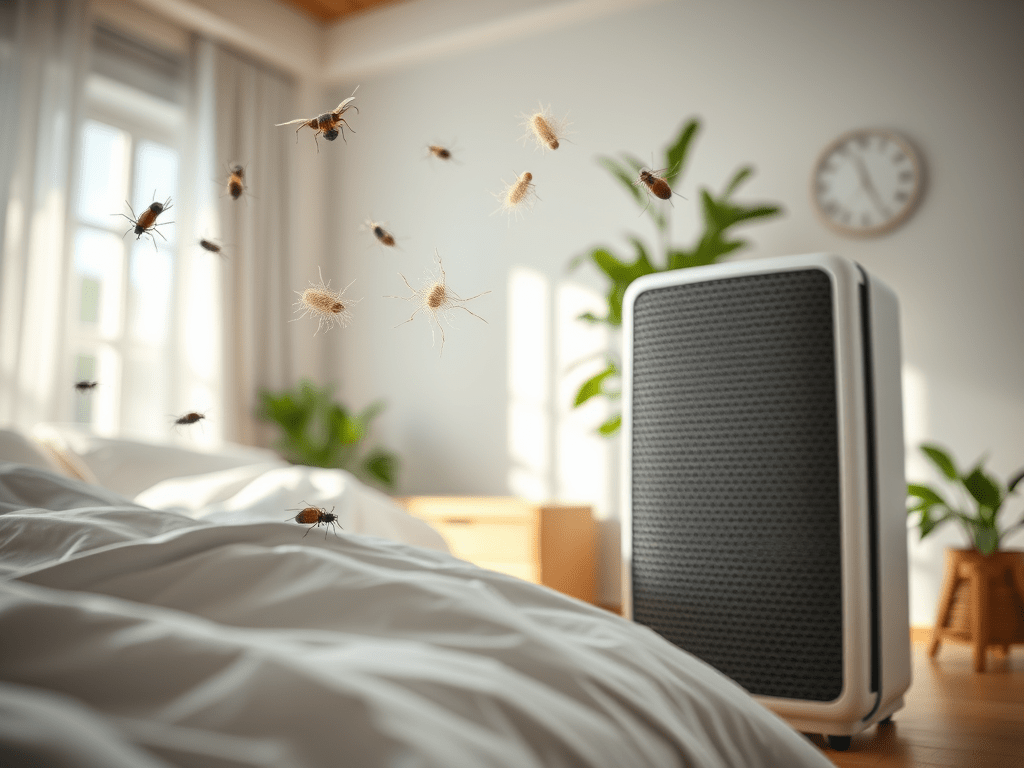
    • Cockroach particles — especially in older or humid homes
    • Smoke and fireplace residue — including scented candles and incense

    These allergens can cause sneezing, congestion, watery eyes, coughing, and even fatigue. For some, symptoms worsen in colder months when windows stay shut and indoor air recirculates. That’s why understanding your triggers is the first step toward relief.

    What You Can Do About It

    • Use a HEPA-filter air purifier to trap airborne particles
    • Wash bedding weekly in hot water
    • Declutter soft surfaces like rugs and throw pillows
    • Keep humidity below 50% to discourage mold and dust mites
    • Switch to fragrance-free cleaners and avoid aerosol sprays
    • Seal cracks and store food tightly to prevent cockroach allergens

    These steps help, but if you’re ready to stop guessing and start breathing easier, grab my free buying guide here to avoid the mistakes that cost me hundreds.

    Final Thoughts

    Understanding your triggers is the first step. Taking action is the second.

    Here’s how I can help:

    📘 Download my free guide: 5 Air Purifier Buying Mistakes to Avoid— learn from my mistakes

    🛒 Ready for relief? See the air purifier that actually worked in my home

    This post contains affiliate links, which means I may earn a small commission if you choose to make a purchase — at no extra cost to you. I only recommend products I trust and use to support wellness, clarity, and comfort in everyday life.

  • Do Air Purifiers Really Help with Allergies? A Wellness Perspective

    Breathe Better. Live Well. If you’ve ever woken up with a stuffy nose, itchy eyes, or that heavy, foggy feeling in your head — especially during Florida’s humid months — you’re not imagining it. Allergies can feel relentless, and indoor air quality plays a bigger role than most people realize.

    So let’s get to the heart of it: Do air purifiers actually help with allergies? Short answer: Yes — when you choose the right one. But here’s the problem: most people buy the wrong purifier first. I know because I did. I spent over $400 on units that didn’t help before I figured out what actually works.

    🌟 Download my free guide: 5 Air Purifier Buying Mistakes to Avoid — learn from my expensive mistakes so you don’t repeat them.

    What Triggers Indoor Allergies?

    Even in a spotless home, allergens hide in plain sight:

    • Dust mites in bedding and upholstery
    • Pet dander floating invisibly through the air
    • Mold spores thriving in humidity
    • Pollen tracked in from outside
    • Chemical irritants from cleaning products and furniture

    These microscopic irritants can linger in the air, triggering sneezing, congestion, and fatigue — especially for sensitive individuals, kids, and seniors.

    How Air Purifiers Help

    A high-quality air purifier acts like a silent guardian, constantly filtering the air you breathe. Here’s how:

    • Advanced HEPA filtration traps airborne particles down to microscopic levels
    • Carbon filters absorb odors and chemical pollutants
    • Smart sensors adjust filtration based on air quality levels

    The result? Cleaner air, fewer allergy triggers, and a more restful home environment.

    Real-Life Relief: My Experience

    In my own home, I use a purifier that’s designed for large rooms and allergy relief. It’s whisper-quiet, sleek, and powerful enough to handle Florida’s humidity and allergy season. Within days, I noticed:

    • Less morning congestion
    • Fewer sneezing fits
    • A calmer, more breathable space

    Before we talk about features, let me save you time and money. Grab my free buying guide here to see the 5 mistakes that cost me hundreds of dollars.

    Choosing the Right Purifier

    Not all purifiers are created equal. Here’s what to look for:

    • True HEPA certification (not “HEPA-like”)
    • Coverage area that matches your room size
    • Low noise level for nighttime use
    • Filter replacement alerts to keep performance high

    If you’re looking for a purifier that checks all the boxes, I recommend one that’s built for real homes and allergy relief. You can explore my affiliate picks here — chosen for performance, simplicity, and wellness support.

    Final Thoughts

    Allergies aren’t just seasonal — they’re environmental. And your home should be a place of comfort, not congestion.

    But not all air purifiers work. I learned this the hard way.

    📘 Download my free guide: 5 Air Purifier Buying Mistakes to Avoid — so you don’t waste money like I did.
    🛒 Ready to buy? See my top pick for allergy relief here — the purifier that actually worked in my Florida home.

    This post contains affiliate links, which means I may earn a small commission if you choose to make a purchase—at no extra cost to you. I only recommend products I trust and use to support wellness, clarity, and comfort in everyday life.